Scrap Tips: 5 Simple Things to Write Down Before Selling
Scrapping tips · Published
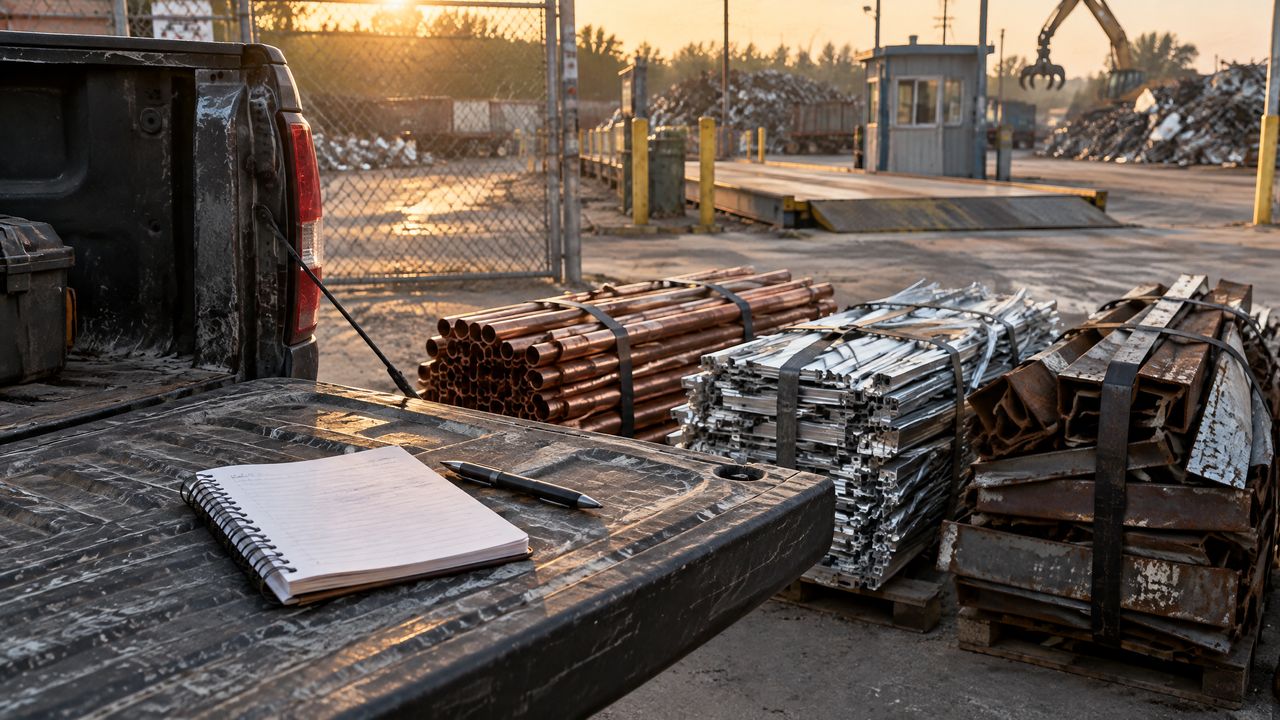
These scrap tips are about a habit that costs a minute and saves arguments: writing five things down before you sell. A quote is a number, but a number with no grade and no date is a guess, and good scrap tips start there. The five items below turn a quote into something you can compare, check and keep.
Each of these scrap tips says what to write, why it matters and where the fact comes from. Where a number is an example, it says so.
The short version of these scrap tips
- The grade. The same word means different things at different yards, so write the grade the quote is for.
- The date and the time. A posted price changes on the yard's schedule, so a quote has a date.
- The weight. Write what you hauled in and what the ticket says, and compare them.
- What the yard writes about you. New York law has a licensed yard record the date, your name, your address and your ID on purchases of $50 or more.
- Your own record. The IRS says supporting documents such as receipts and slips back up your books and your return.
Get the app
Free to start · scans included · no card needed
1. Scrap tips start with the grade, not just the metal
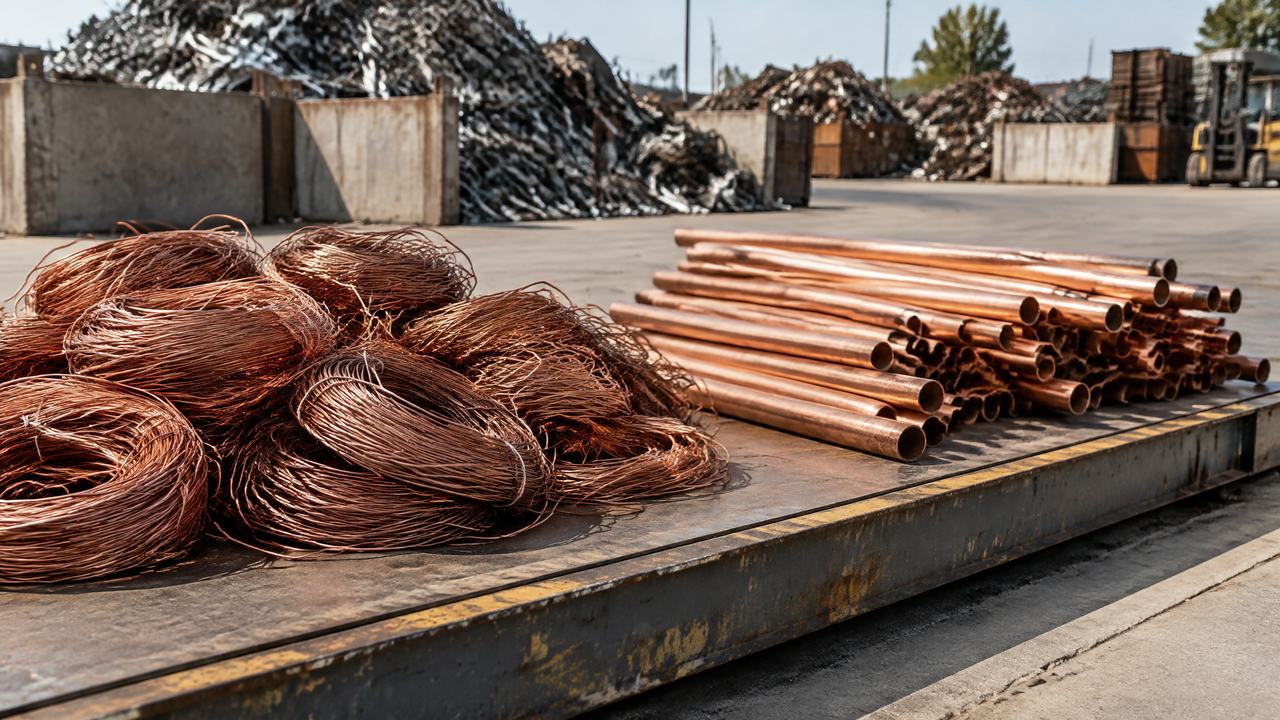
"Copper" is not a quote. A yard prices copper by grade, and the trade's written standard, the Recycled Materials Association's Scrap Specifications Circular, describes itself as "guidelines for buying and selling a variety of processed scrap commodities." In the July 2026 edition we read, bare bright wire is called Barley, a number 1 wire, and a number 2 wire is Birch.
So a price quoted for "copper" could mean bare bright or a mixed number 2 pile, and the two are not the same money. When you ask what the yard pays, ask which grade, and write the grade's name next to the figure. It is also worth asking how the yard prices a pile that mixes grades, since each yard decides that for itself and we have no source that says one rule fits all of them.
What a quote worth keeping looks like
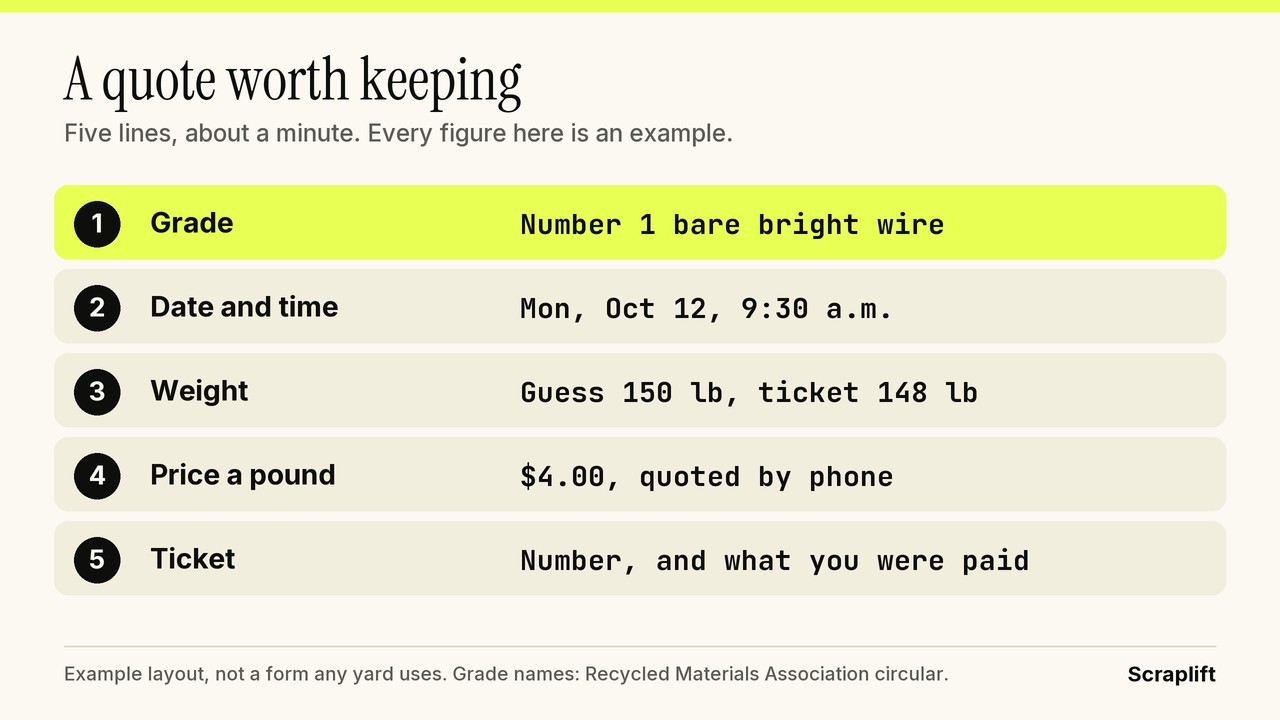
The card shows the five lines of a note you can write in a minute. It is an example layout, not a form any yard uses.
2. Write the date, and the time if it matters
A posted price is a price at one moment. Yards set their own prices and change them on their own schedule. A quote written down on Monday morning is not a promise for Thursday afternoon. Write the date, and the time if you are comparing two yards the same day, so you are comparing the same moment.
If you want the week's direction in the official numbers, our scrap metal news post shows what the Bureau of Labor Statistics scrap indexes last said.
3. Write the weight, and check it against the ticket
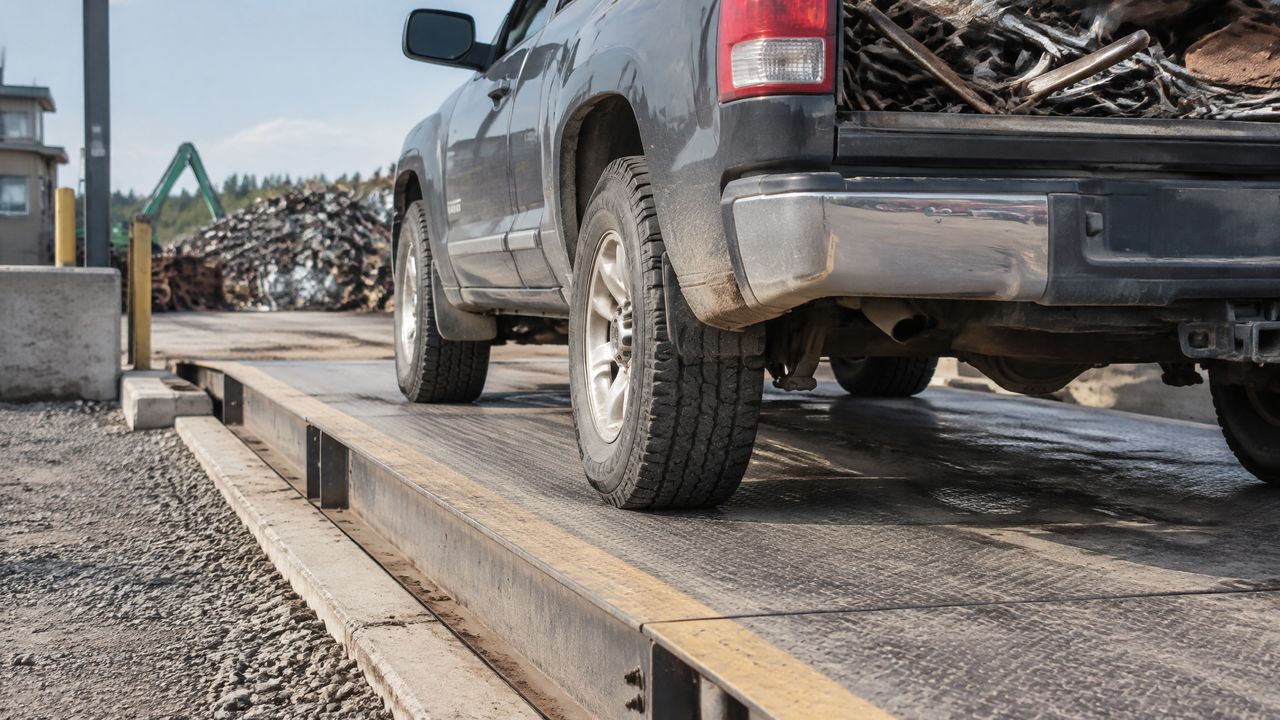
Write the weight you think you have before you drive in: a rough count by bundle, or the weight from the last time. When the ticket comes back, compare the two. A small gap is normal, since a pile is hard to guess. A large gap is a question to ask at the window, politely, with your note in your hand.
Here is an example, not a yard price. A 150-pound copper pile at $4.00 a pound is $600, and a gap of 10 pounds is $40. If you wrote 150 and the ticket says 140, you know to ask why. If you wrote nothing, you have nothing to ask about.
Scrap tip: Write your own weight guess before you drive in, and write the ticket weight when it comes back. A gap of more than a few pounds is worth a polite question at the window, and your note is what makes the question easy to ask.
4. Scrap tips for the ID: know what the yard writes about you
New York's General Business Law has an article on scrap processors, and section 69-G covers their records. We read the section on October 9, 2026, and the page shows its most recent revision as September 22, 2014. For each purchase of iron, steel or nonferrous scrap for a price of fifty dollars or more, the processor records "the date of purchase, name of seller, his residence address," and the driver's license number or information from a government-issued photo ID, plus the type and quantity of the purchase. The processor has the seller or the seller's agent sign the record and keeps a copy of the photo ID.
The same section also lists items a processor records whatever the price, and utility wire is among them, along with bronze or brass castings, brass car journals and metal beer kegs. For a hauler who sells copper wire, that is a good reason to expect a record at any amount, and to ask the yard what it will write down.
How long the yard keeps the record
The same section says the general records are kept three years and the ID copy two years from the date of purchase, and that the records are available for inspection by the police department of the state or the municipality. It also makes it unlawful for a seller to refuse to give that information or to give incorrect or incomplete information.
For a hauler this means bringing your ID is part of the sale, and that the yard keeps a record with your name on it. It does not say a hauler must keep anything, but your own copy of the date, the grade and the weight is the other half of that record.
Scrap tip: Bring your ID every time and make sure the name and address on your note match what the yard writes. A mismatch is easier to fix at the window than a month later, and the record is the one the police can inspect.
This is not legal advice. Check the current text of the law or ask a lawyer before you rely on it.
5. Keep your own record for the tax return

On the money side, the IRS recordkeeping page, last reviewed May 1, 2026, says "You may choose any recordkeeping system suited to your business that clearly shows your income and expenses," and that "Purchases, sales, payroll, and other transactions you have in your business generate supporting documents." Its how long to keep records page, reviewed June 30, 2026, says to keep the records that support an item of income, deduction or credit, and that 3 years is the default if none of the longer situations it lists applies.
A hauler's notes are not a tax return, but they are the raw material for one, which makes this the quiet one of the five scrap tips. A note with the date, the grade, the weight and what you were paid is a line in your income, and the ticket is a document that transaction generates. Check the IRS pages for your own situation, because the periods change with it.
Related reading: A grade is only useful if you can tell one from another at the pile. How yards grade copper and what each grade pays lists the five copper grades in the trade's own words, so the grade you write is the grade the yard means.
One more of the scrap tips: take the batteries out first
The five notes above are about paper. This one is about fire. The Recycled Materials Association says on its fire safety page that "fire prevention is a shared responsibility across the recycled materials industry," and that batteries and other energy-containing devices are becoming more common in the recycling stream. Its battery page describes the risks of improperly managed batteries as "risk of shock, fire, and even death."
Neither page gives a hauler a step-by-step, so this part is our reading and not their instruction. If a pile includes anything from an e-bike, a power tool or an old appliance, a battery may be inside, and the safe thing is to ask your yard before you haul it in and where batteries go.
Scrap tip: Before you haul anything that ran on a battery, ask your yard how it wants batteries handled. It costs one question, and it keeps a fire out of your truck bed and out of their pile.
Putting the five scrap tips together
These scrap tips take about a minute at the scale, and the five notes pay back the first time a quote and a ticket disagree. Here is a quote you could keep, written as an example and not as a real yard's price:
- Grade: number 1 bare bright wire.
- Date and time: Monday, October 12, 9:30 a.m.
- Weight guess: 150 pounds. Ticket: 148 pounds.
- Price: $4.00 a pound, quoted by phone.
- Ticket number and what you were paid.
A week later you can compare that note with the next one and see what moved.
Related reading: A dated note is easier to read next to the week's market. Scrap Metal Prices Oct 8, 2026: Copper Firm, Steel Mixed shows where copper and steel stood that day, so you can see whether a quote you wrote down moved with the market.
What to do when the ticket and the quote disagree
It happens, and it is usually a grade or a time, not a trick. Your note is what lets you sort it out in a minute at the window:
Check the grade and the date on your note against the ticket, ask which grade the ticket paid, and write the answer down with the time.
These scrap tips work because they stay polite and specific. A question like "the quote I wrote down Monday was for number 1 wire, and the ticket says number 2, what did you see in the pile?" is easy to answer. "You paid me wrong" is not, and it is also not a claim you can back up from a note alone. The posted sheet and your own dated note are the two documents that matter.
Related reading: Notes help most when a headline makes you think the price moved. Why steel prices are up while scrap steel prices are not shows how far a headline can sit from the board at your yard, and why your own dated notes are the better check.
Fuel is the other half of the sale, and one of the scrap tips we repeat most. Our fuel prices post works out when a farther yard still pays, and the scrap rates page lists posted yard prices by ZIP code. Scraplift ranks yards near you after fuel costs.
Quick answers
What are the best scrap tips before I sell?
The best scrap tips are five lines: the grade, the date and time, your weight guess and the ticket weight, the price a pound, and the ticket number. They turn a quote into something you can compare and keep.
Why does the grade matter on a scrap quote?
A yard prices each grade separately, so a quote for "copper" can mean different grades. The Recycled Materials Association's Scrap Specifications Circular is the trade's written standard for the names.
What does a New York yard record when I sell scrap?
For purchases of $50 or more of iron, steel or nonferrous scrap, section 69-G of the General Business Law has the processor record the date, your name and address, your ID information, and the type and quantity. It also lists items recorded at any price, utility wire among them. The processor keeps the records three years.
How long should I keep my scrap tickets?
The IRS says to keep the records that support income, deductions or credits, and that 3 years is the default unless a longer situation it lists applies. Check its page for your own case.
What should I do with a battery in a pile of scrap?
Ask your yard before you haul it in. The Recycled Materials Association describes the risk of improperly managed batteries as "risk of shock, fire, and even death," and the yard knows where its batteries go.