Scrap Week Ahead: Export Rules and Jobs
Market notes · Published

This is the scrap week ahead for November 2 to 6, 2026. The lead is scrap export rules, because the public comment period on the federal rule for tungsten scrap and battery scrap closes Wednesday. The October jobs report follows on Friday, and construction spending opens the week on Monday. Every date and figure names its source, and none of it is a forecast of your yard's board.
The week at a glance
Five dated days make up the week, and the card below puts the main ones on one page.
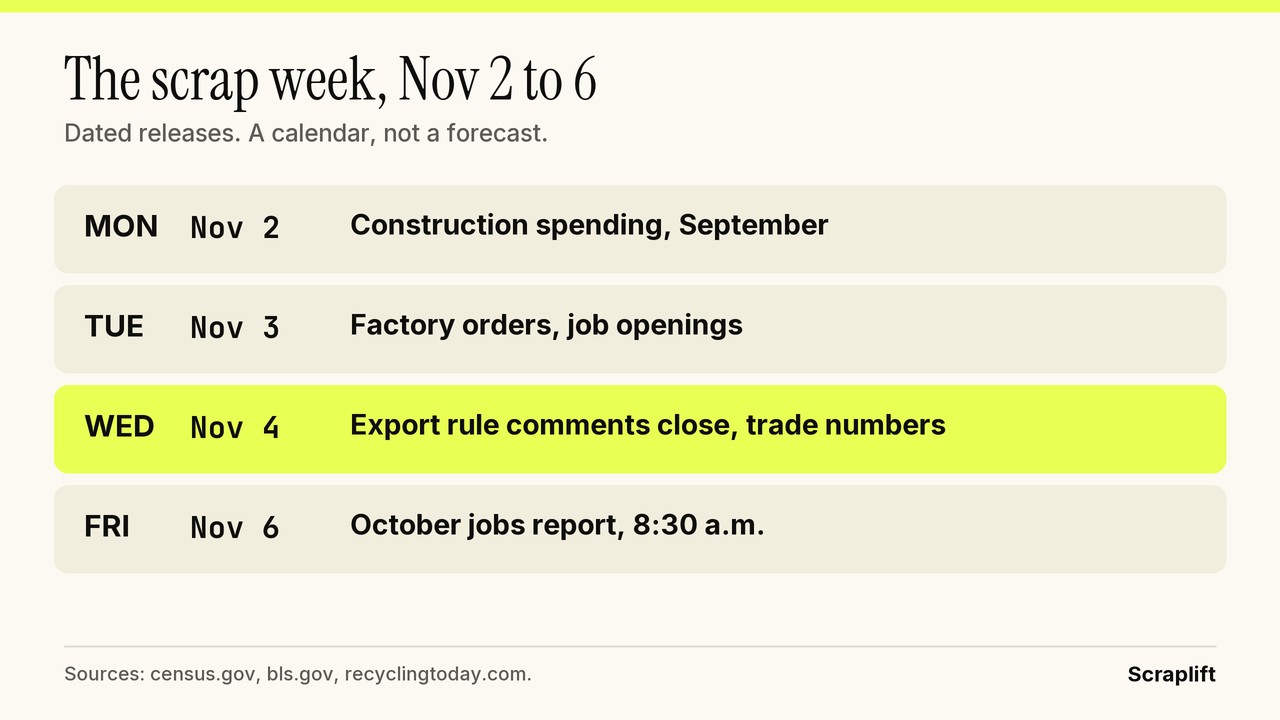
Here is the same week in words, with times in Eastern Time as each agency lists them:
- Monday, November 2: September construction spending at 10:00 a.m.
- Tuesday, November 3: the full September report on factory orders at 10:00 a.m., September job openings at 10:00 a.m., and the weekly diesel update from the Energy Information Administration.
- Wednesday, November 4: September trade in goods and services at 8:30 a.m. Comments on the tungsten and black mass rule close.
- Thursday, November 5: third quarter productivity at 8:30 a.m.
- Friday, November 6: the October jobs report at 8:30 a.m.
Get the app
Free.
Wednesday: scrap export rules

Scrap export rules have moved from a talking point to a working part of the trade this year. One rule already in force covers two materials. On August 27, a Commerce Department rule began requiring sellers of black mass and tungsten waste and scrap to allocate 100 percent of monthly sales to U.S. buyers, unless they get an adjustment or exception in advance, per Recycling Today.
The order runs through August 27, 2027, unless the Bureau of Industry and Security adjusts or extends it. Public comments are open through November 4 on regulations.gov, under notice ID BIS-2026-0364. So the Wednesday date is a comment deadline, and it does not end the rule or change it by itself.
What the rule covers
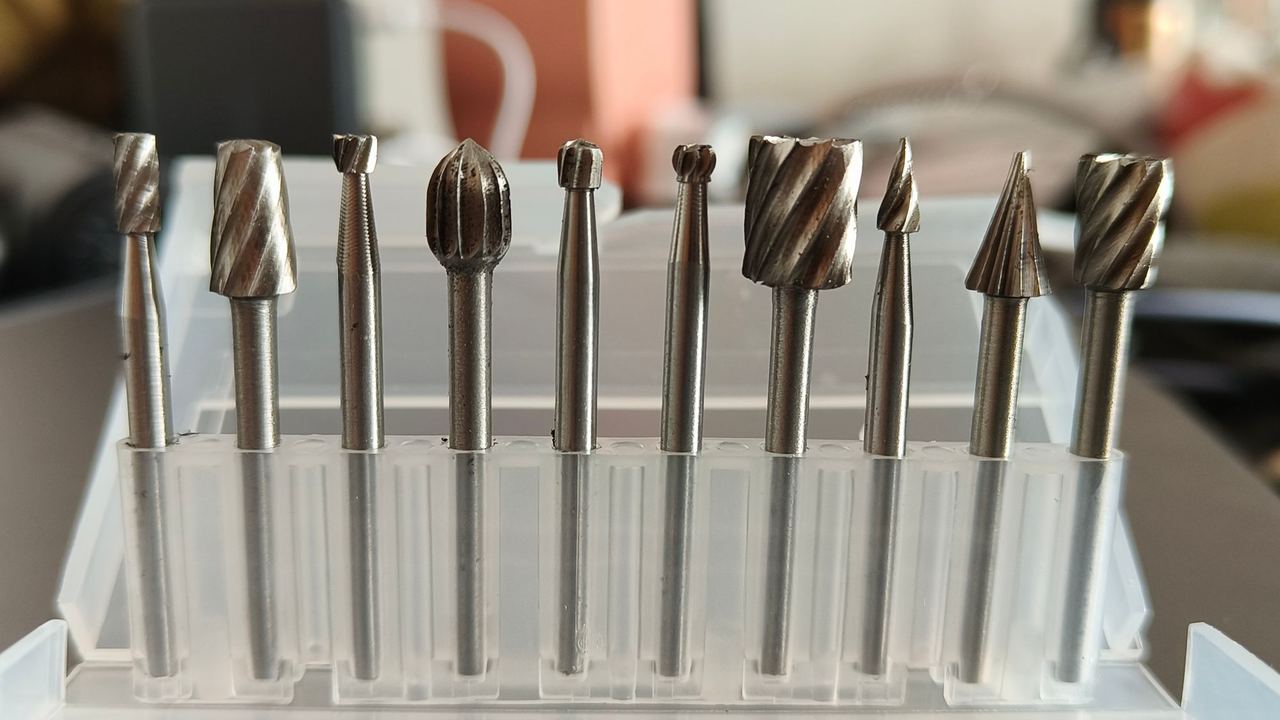
Black mass is shredded lithium-ion battery scrap. Tungsten waste and scrap is a specialty item. The rule text does not use the word carbide, the very hard metal in cutting tools and saw tips, but a trader quoted by Recycling Today talks about carbide as caught up in it. We could not confirm whether carbide scrap is legally covered. Copper, aluminum and steel are not in this rule.
In our reading, few small haulers sell either material by the ton. The reason scrap export rules matter to you is what they show about how a rule like this behaves once it is in force.
What happened after it took effect
One Minnesota metals dealer told Recycling Today, in an article published October 21, that the rule left a market "shut off," with trading stopped because there was nowhere to ship the material. A trader in the same article said domestic carbide buyers already had enough supply to meet their needs through the end of the year. Those are reports from people in the trade, not government numbers.
The Recycled Materials Association says it will file extensive comments. Its president told Recycling Today that shutting off global markets does not create refining capacity at home, and that the capacity takes years to build. A tungsten recycler quoted in the August report supports the rule, so the trade is not of one mind.
Scrap tip: If you pull carbide tips, inserts or bits out of job site scrap, keep them in their own small bucket. Mixed in with steel they are worth steel at best. Call ahead, since not all yards buy carbide, and ask what they will take right now.
Why copper is the one to watch
The bigger question for most haulers is copper. Proclamation 10962 from July 2025 aims to keep 25 percent of high-quality copper scrap in the country, and the October 21 article says that aim has "no definition of high quality and no start date." We covered that proclamation in our October 7 scrap metal news, and we still find no final rule.
So scrap export rules for copper do not exist yet in working form. What exists is a stated aim and an open debate about it. In the same article, one trader said a rule like this could push domestic high grade prices down, naming No. 1 copper and bare bright, while export prices rise. Another trade executive said there is already a huge surplus of copper scrap. Both are opinions from people who stand to gain or lose, and neither is a forecast we can back.
Here is how we would read it. If scrap export rules ever reach copper, the first thing to find out is how "high quality" gets defined, because that line decides which grades are touched. Until then, we see no working copper rule to plan around. Your yard's posted price for your grade is still the number that counts.
Aluminum leaves in volume too
Exports are a large part of the aluminum scrap market as well. Recycling Today, citing trade figures based on Census Bureau statistics, reported that about 1.25 million metric tons of aluminum-bearing scrap left the country in the first half of 2026, up 21 percent from 1.03 million a year earlier. None of the scrap export rules we have found limit those exports. Our scrap week recap covers the Thailand inspections.
Related reading: Before you worry about what a rule might do to a grade, make sure you know which grade you are holding. Scrap copper prices per pound walks through the yard grades and what separates one from the next.
Friday: the October jobs report

The Bureau of Labor Statistics publishes the October Employment Situation at 8:30 a.m. on Friday, per its November schedule.
For a starting point, the September report said payrolls rose 29,000 and the unemployment rate was 4.2 percent, and BLS called both little changed. Construction added 11,000 jobs and manufacturing added 9,000, and BLS called those little changed too.
What to read in the report
Skip the headline for a minute and go to the two lines that feed scrap. As we read it, construction jobs tell you whether builders are staffing up, which shows up later as offcut bins at job sites. Manufacturing jobs tell you whether plants are running, which shows up as factory scrap such as offcuts and busheling. Small monthly changes are usually within the normal noise of the survey, so read the direction over a few months.
Job openings on Tuesday give an early view. The August report put openings at 7.1 million, little changed, with hires at 5.2 million. The Tuesday report covers September.
Scrap tip: If hiring stays slow, use it to meet people. Stop by the small shops on your route, such as HVAC, plumbing and electrical, and leave your number. A shop with fewer hands has less time to run its own scrap to the yard.
Monday: construction spending
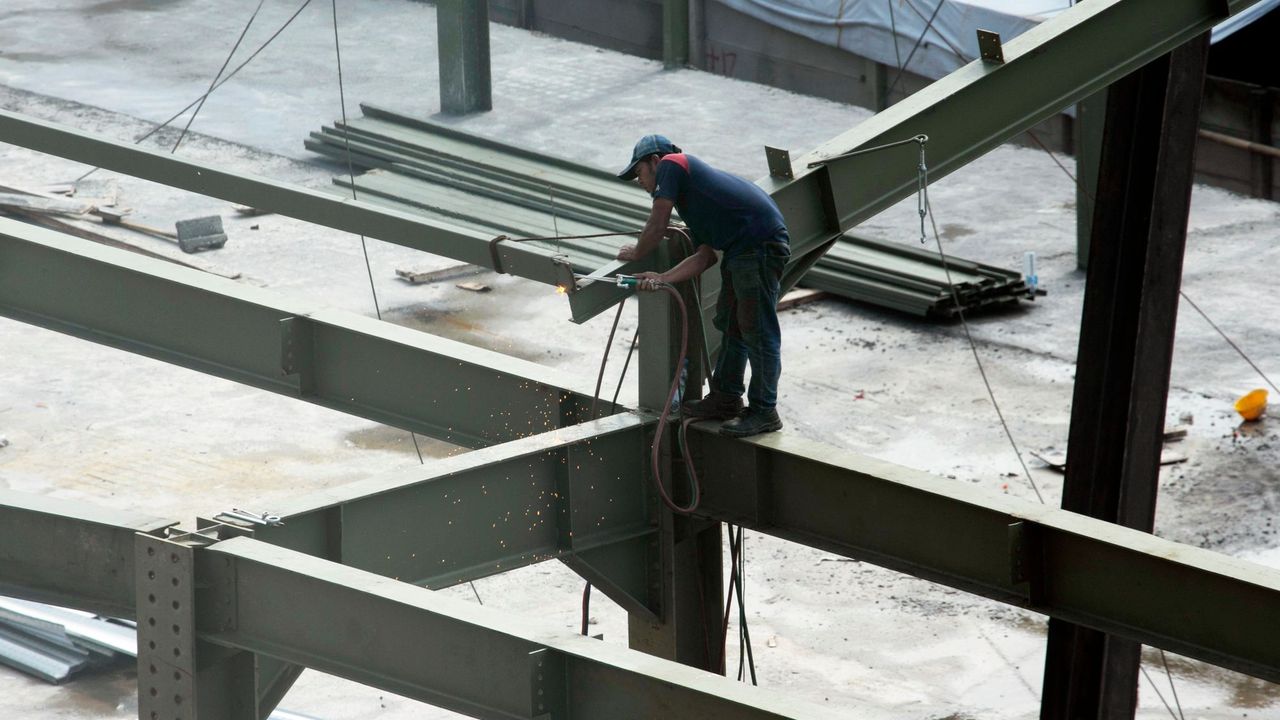
The Census Bureau lists September construction spending for 10:00 a.m. on Monday, per its calendar. The August report put spending at a seasonally adjusted annual rate of $2,203.1 billion, 0.9 percent above July, with a margin of error of plus or minus 1.0 percent. That margin is wider than the change, so read it as flat to slightly up.
Private nonresidential spending, which covers offices, plants and warehouses, came to $773.0 billion, up 1.0 percent, plus or minus 0.5 percent. In our reading that is the part to watch, since commercial jobs and demolition can throw off steel, wire and pipe. Monday's number is a first estimate, and the Census Bureau revises it.
Construction spending and the jobs report work well side by side. One shows the money going in, and the other shows the people doing the work. If both hold up, job site scrap over the winter has a better chance of holding up too, in our reading, though neither one says anything about what a yard pays.
Tuesday and Wednesday: factories and trade

The full September report on factory orders comes out at 10:00 a.m. on Tuesday. The August report put new orders at $663.5 billion, up 0.1 percent, the second monthly rise in a row. Last week's advance numbers already covered durable goods, so Tuesday adds the rest.
Trade numbers follow at 8:30 a.m. on Wednesday. In August the goods and services deficit was $105.6 billion, with exports of $315.2 billion and imports of $420.8 billion. The headline is broad and does not break out scrap, but it fits the theme of the week: how much leaves, how much comes in, and who sets the terms. That last part is what scrap export rules are about.
Steel gets one line this week. Steel Market Update reported on October 21 that market participants expected US scrap prices to rise in November, and we found no published November result as of Sunday.
Scrap tip: When the news is about rules and trade, keep your own routine simple. Sort by grade, keep copper and brass apart from the start, and hold on to every ticket. Good records and clean piles are worth having whichever way the policy goes.
The rest of the week
Third quarter productivity comes out Thursday at 8:30 a.m. The diesel update lands Tuesday, per the Energy Information Administration. The Recycled Materials Association lists a policy and regulatory update on November 3 and a Trade and Tariff Talk on November 12 on its events page.
If you want to read the scrap export rules yourself, the rule text is public. Comments go through regulations.gov under BIS-2026-0364.
Related reading: Slow signals work best next to the numbers that came before them. Our scrap week ahead for October 26 to 30 explains how to read the Federal Reserve and the factory numbers as a hauler, and those habits carry into this week.
What it means for this week
Neither Wednesday's deadline nor Friday's jobs number is a price signal. Scrap export rules are a slow story, and the part we will keep watching is copper. When a definition of high quality appears, that is the day to pay attention. Until then, use the news to plan your calls and your routes, and use the yard's posted board for the price.
Between issues, the scrap rates page shows posted prices by ZIP code, and Scraplift ranks the yards near you by what you clear after the drive.
This is general market commentary, not financial or legal advice and not a promise. Your yard's own posted price for your grade is what you are paid. Check the date and the grade on any quote before you agree to it.
Quick answers
What are the new scrap export rules?
A Commerce Department rule in force since August 27, 2026 requires sellers of black mass and tungsten scrap to allocate monthly sales to U.S. buyers, unless they get an exception.
When do comments close on the tungsten scrap rule?
Comments close November 4, 2026, on regulations.gov, under notice ID BIS-2026-0364.
Do scrap export rules cover copper scrap?
Not yet in working form. A 2025 proclamation aims to keep 25 percent of high-quality copper scrap at home, with no definition and no start date.
When does the October jobs report come out?
The Bureau of Labor Statistics publishes it Friday, November 6, 2026, at 8:30 a.m. Eastern.