Scrap Week Recap: Steel Heats Up
Market notes · Published
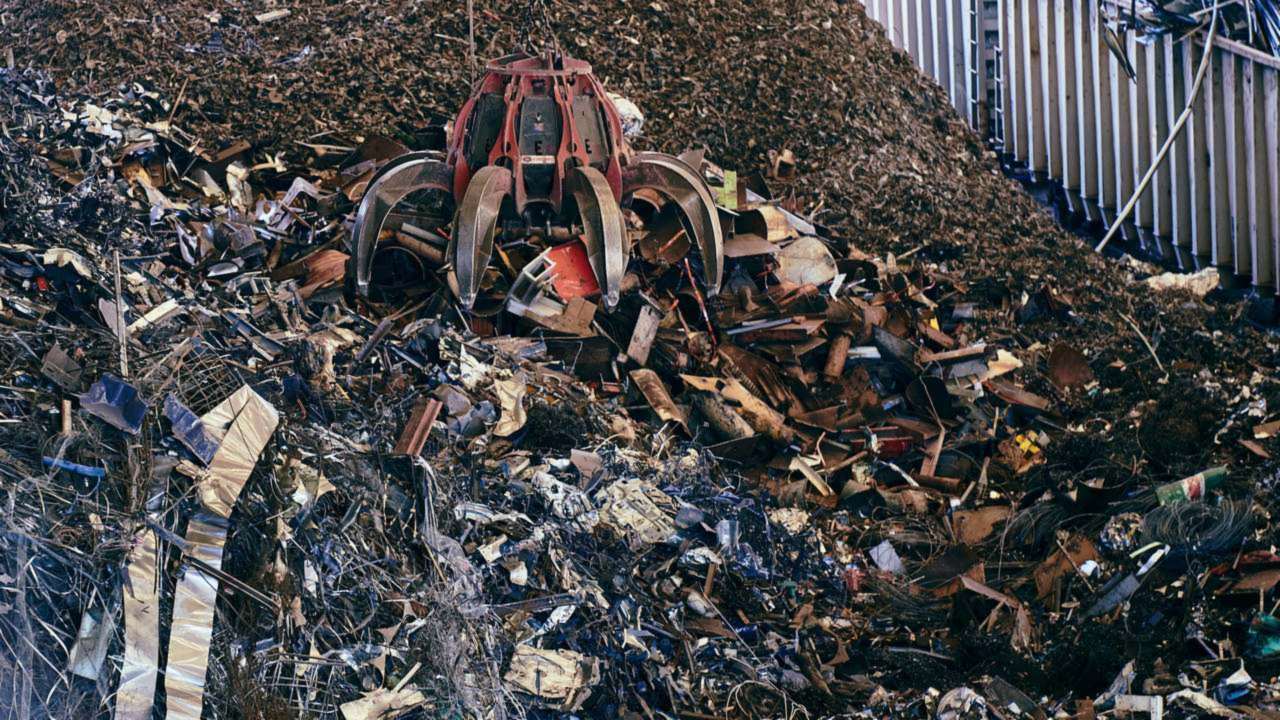
Ferrous scrap led the scrap week of November 2 to 6, 2026. Early reports say the steel scrap prices that rose in October look set to hold that strength into the November buying round, with U.S. mills running close to full. This recap also covers what an aluminum maker said about scrap costs, the September factory orders, and a trade story from North Africa. Every figure names its source and its date, and nothing here is a forecast of your yard's board.
The week in four lines
Four pieces of news mattered this week, and the card below puts them on one page.
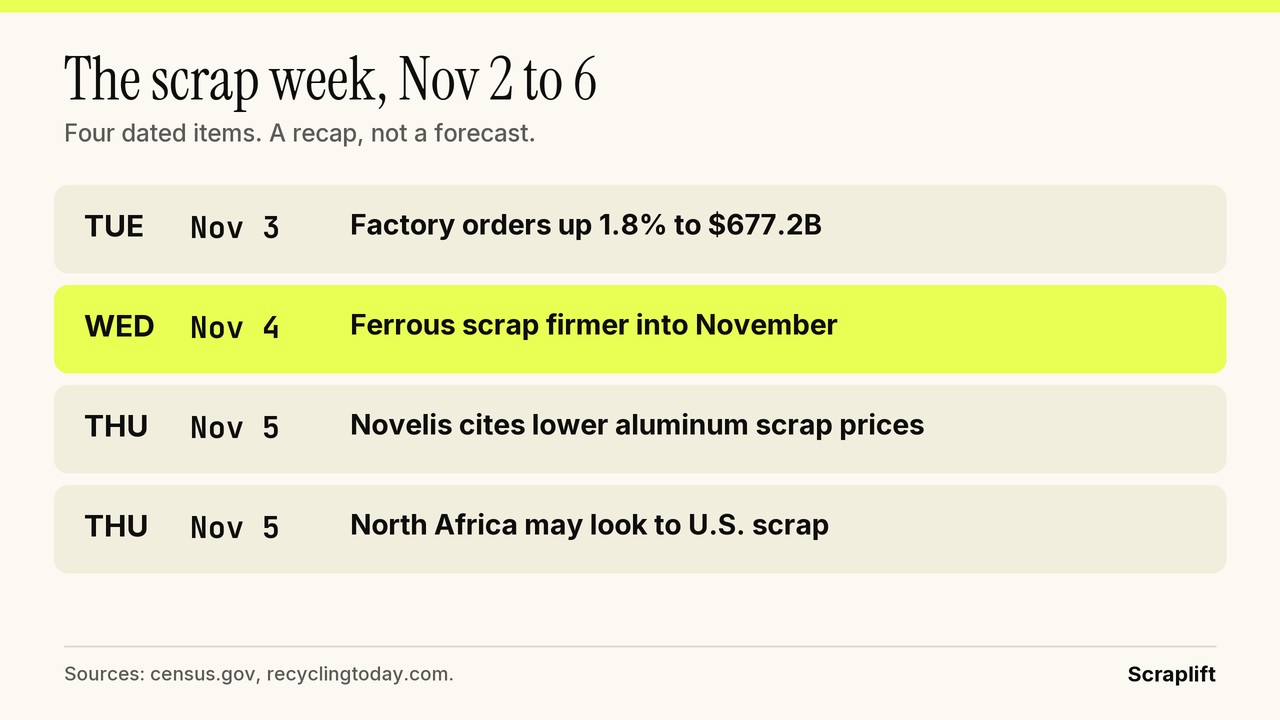
Here is the same week in words:
- Ferrous scrap: trade reports point to a second straight monthly rise, and U.S. mills ran at 88.9 percent of capacity in the last week of October (Recycling Today, November 4).
- Aluminum: Novelis credited part of a strong quarter to lower aluminum scrap prices (Recycling Today, November 5).
- New orders: September factory orders rose 1.8 percent to $677.2 billion (Census Bureau, November 3).
- North Africa: buyers in Egypt and Morocco may turn to U.S. scrap if a European rule goes through (Recycling Today, November 5).
Get the app
Free.
Ferrous scrap holds its October gains
Recycling Today reported on November 4 that recycled steel prices that moved up in October look set to carry that strength into November. The report says early November trade outlets called a second straight price rise likely. That is the mill buying round, the monthly deal between steel mills and the big scrap sellers, and it sets the tone for ferrous scrap across the country.
For a sense of the October move, Steel Market Update reported on October 21 that mills settled up $20 to $30 a gross ton. A gross ton is 2,240 pounds. We covered that round in full two weeks ago.
Why the mills keep buying
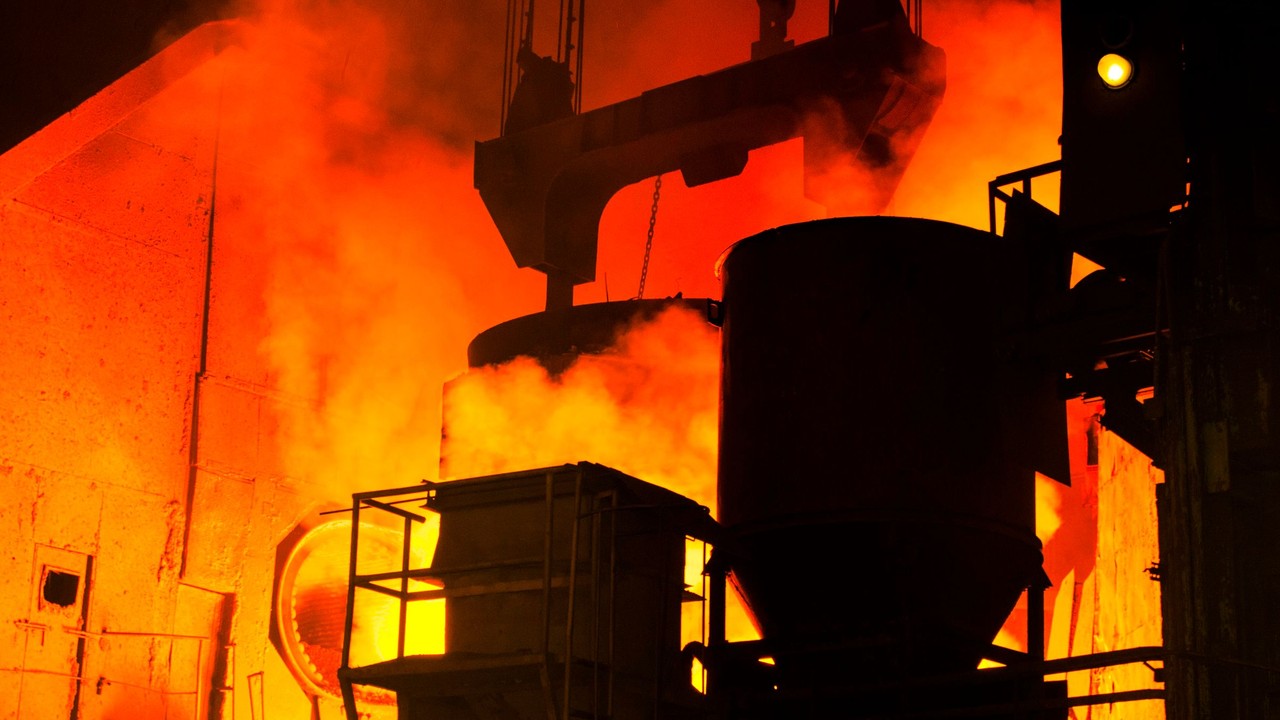
The plain answer is that U.S. mills are busy. The same report cites the American Iron and Steel Institute: in the last week of October, U.S. mills made more than 2 million tons of steel and ran at 88.9 percent of capacity. Over the first 10 months of 2026, they made more than 79.7 million tons, up 6 percent from about 75.2 million tons a year earlier, at an average rate of 79.5 percent against 77 percent last year.
Many U.S. mills are electric arc furnaces, and those melt ferrous scrap. A mill that runs near full needs a steady stream of it, and that demand is the floor under the market.
There is also a pull from overseas. Per Argus Media, as cited in the report, heavy melting steel bound for Turkey rose about $9 a ton in the last week of October, with a shipment from the United States carrying the top value at $402 a ton. Turkey is a big buyer of East Coast ferrous scrap, so a firmer Turkish bid in late October gave U.S. sellers a second door. That bid can turn quickly, so treat it as a late October reading.
Mill money is not your yard's number

Every number above is a mill or export figure. It is what large sellers get for big ship and rail lots of prepared ferrous scrap, delivered. Your yard pays for your grade, on your day, after its own costs for sorting, handling and freight. Think of the mill price as the river and your yard's board as the creek out back. When the river rises, the creek usually follows, but not on the same day and not by the same amount.
So a firmer month for ferrous scrap is a reason to call, not a reason to fill the truck and drive. A yard may move its board this week, later in the month, or not at all.
Scrap tip: When ferrous scrap firms up, sorting pays more than speed. Keep heavy steel such as plate, beams and thick pipe apart from light sheet iron like washers and siding, and ask your yard for both prices by name before you haul.
A longer-term question for ferrous scrap
The same report flags something to watch over years, not weeks. In late October, U.S. Steel broke ground on a $1.9 billion plant in Osceola, Arkansas, to make direct reduced iron, or DRI, for its Big River Steel mill. DRI is made straight from iron ore, and a mill can melt it alongside ferrous scrap or in place of some of it. In September, a group of investors that includes India's Essar Group announced a planned $18 billion ore, DRI and steel project in Minnesota and Iowa.
Our reading: more DRI means more competition for scrap at some mills, years from now. It does not change this month's buying.
Related reading: A higher steel price and a higher scrap price are not the same thing. Steel prices up, scrap steel prices not explains why the two can move apart and which one your yard watches when it sets its board.
Aluminum: a maker says scrap cost it less
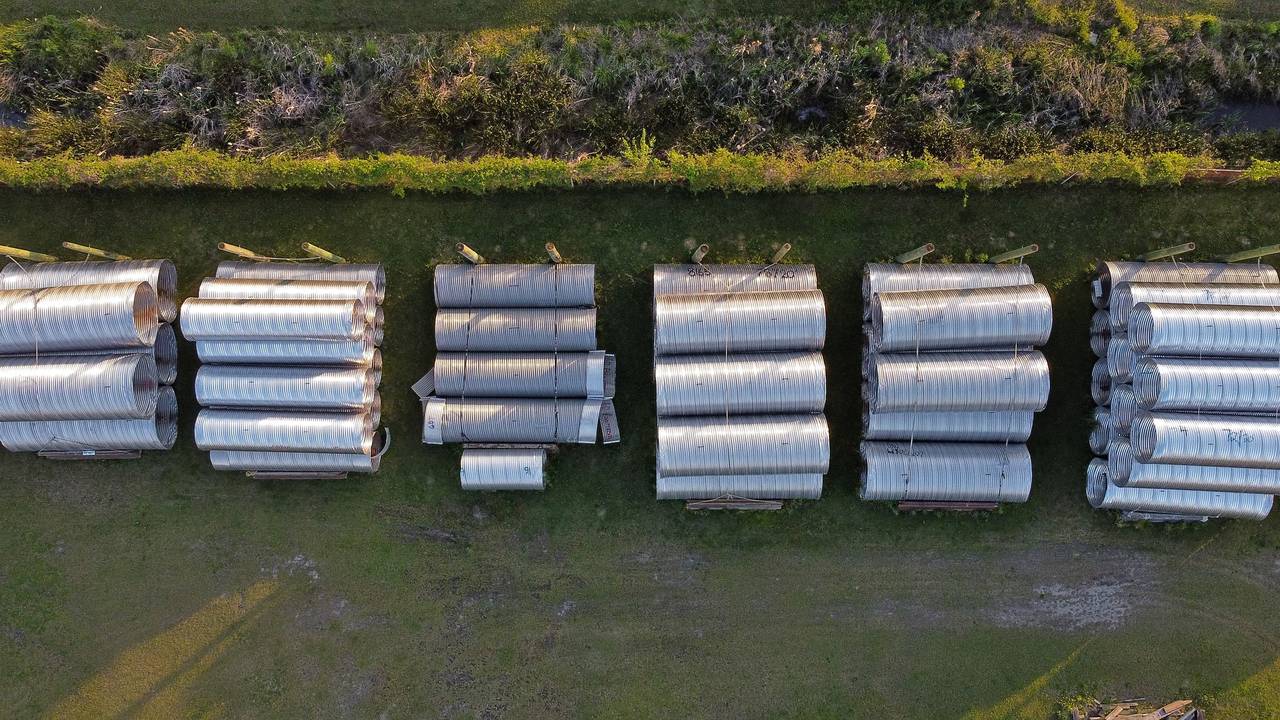
Novelis, which rolls and recycles aluminum, posted results for July to September on November 5, per Recycling Today. Net sales rose 25 percent to $5.9 billion, which the company tied to higher average aluminum prices. Recycling Today reports that Novelis credited part of the gain in its earnings to higher scrap consumption and lower aluminum scrap prices.
Read that again, because it is the useful part. Aluminum itself was priced higher, and the scrap this maker bought cost it less. The gap between the two is where a buyer of scrap makes money.
That is the company's own explanation of its own costs, as Recycling Today reports it. It is not a measure of what any yard pays, and the report does not name a grade or a region. What it does tell you is that a big buyer of aluminum scrap had a good quarter buying it. For a hauler, the plain lesson is the old one: clean, sorted aluminum is the easiest kind to sell.
Novelis also said its new plant in Bay Minette, Alabama, ran its first coil in September and is working toward its first commercial shipments. More capacity to roll and recycle aluminum in the United States means more demand for scrap over time, though that is a slow signal, not a price.
Scrap tip: Clean aluminum earns its grade. Cut off steel screws and brackets, pull the plastic and rubber, and keep cast parts, extrusions like window frames, and sheet in separate buckets. Ask your yard what it takes as clean before you sort a whole pile.
New factory orders rose again in September

The Census Bureau's full factory orders report on November 3 put September new orders for manufactured goods at $677.2 billion, up $12.2 billion or 1.8 percent. That is the third monthly rise in a row. Shipments rose 1.3 percent to $668.5 billion, and unfilled orders, the backlog of work already booked, rose 0.9 percent to about $1.62 trillion.
The durable goods part, things built to last, came in at $345.7 billion, up 1.9 percent. That is a little better than the 1.8 percent in the first estimate a week earlier.
The lines closest to your work
The report breaks out the industries closest to the scrap you handle, in new orders:
- Primary metals: up 0.4 percent to about $33.0 billion. Inside that line, iron and steel mills rose 2.4 percent to about $18.1 billion, which fits the busy mills above.
- Fabricated metal products: up 0.5 percent to about $45.3 billion. These are the shops that cut, bend and weld metal.
- Machinery: up 1.5 percent to about $46.1 billion.
These numbers are in dollars and are not adjusted for price changes, so higher prices can lift them with no more goods behind them. Read the report as a sign that factories and mills stayed busy, and leave it at that. A busy shop makes offcuts, and offcuts need a ride to the yard.
Related reading: Last week's issue covered the first look at these orders, along with copper and the container checks in Thailand. Our scrap week recap for October 26 to 30 has the earlier numbers to compare against this week's full report.
North Africa may look to U.S. scrap

This one is further from your truck, but it touches the export side of ferrous scrap. Recycling Today reported on November 5 on a talk given in October at a Bureau of International Recycling meeting in Spain. The speaker, an analyst who tracks mills by satellite, said Egypt and Morocco are both on a proposed European Union list of countries that would no longer be able to import recycled steel and other metals from Europe.
Egypt has long bought more of its scrap from Europe, which sits close by. If that door closes, the analyst named the United States and the United Kingdom as places Egyptian and Moroccan buyers may turn. Morocco is adding steel capacity for building work, which would need scrap.
Keep this in its box. It is a proposed rule, not one in force, and one analyst's view of where buyers might go. The same report notes that Egypt's own mills have struggled this year against a flood of imported steel. If it happens, more overseas buyers would mean more competition for U.S. ferrous scrap at the ports, which over time tends to help prices at home. That is a maybe, a long way off.
What we watch next week
Here is what is on the calendars for November 9 to 13, with times in Eastern Time as each agency lists them:
- Monday, November 9: wholesale trade sales and inventories at 10:00 a.m., per the Census Bureau's calendar.
- Tuesday, November 10: consumer prices for October at 8:30 a.m., per the Bureau of Labor Statistics schedule.
- Wednesday, November 11: Veterans Day.
- Friday, November 13: producer prices for October at 8:30 a.m. This report carries the government's scrap price indexes, so it is the one to read for a broad look at ferrous scrap and aluminum scrap.
On fuel, the U.S. average diesel price was $6.292 a gallon for the week of November 2, down 6 cents, per the Energy Information Administration.
What it means for this week
The mills are busy, and the ferrous scrap market feels it. An aluminum maker says its scrap cost less while aluminum cost more. Factory orders say the shops are working. North Africa is a maybe for later. None of it is a number to quote at the scale. Use it to decide who to call and what to keep sorted, and use the posted board for the price.
Scrap tip: In a firm month, a quick call beats a long drive. Ask two yards for your grade by name, note the price and the time, and go where the number holds up after the trip. A few dollars a ton can vanish on the drive.
Between issues, the scrap rates page shows posted prices by ZIP code, and Scraplift ranks the yards near you by what you clear after the drive. This week's scrap week ahead set out the calendar these numbers came from.
This is general market commentary, not financial advice and not a promise. Your yard's own posted price for your grade is what you are paid. Check the date and the grade on any quote before you agree to it.
Quick answers
What happened to ferrous scrap prices in early November?
Trade reports in early November pointed to a second straight monthly rise after October's, per Recycling Today on November 4. Those are mill prices, not yard prices.
Is the mill price for ferrous scrap what a yard pays?
No. Mills pay large sellers for prepared scrap, delivered. Your yard pays for your grade after its own costs, and its board is your price.
Why did Novelis say aluminum scrap cost less?
Recycling Today reports the company credited part of its gain to higher scrap use and lower aluminum scrap prices. That is about its own costs.
What did factory orders do in September?
They rose 1.8 percent to $677.2 billion, the third monthly rise in a row, per the Census Bureau on November 3.